Pessimism is a powerful drug. It convinces marketing teams to defer, finance teams to cut, and boards to applaud the discipline of doing less. The evidence, decade after decade, says they are wrong.
Every major downturn since the 1973 oil shock has produced the same pattern: the brands that maintained or grew share of voice during the contraction emerged from the recovery with disproportionate share of market. The mechanism is not magic — it is uncontested attention in a quieter room.
2026 is no exception. With ad inventory softening and competitors retreating, the cost-per-impact of every well-placed campaign is at a multi-year low. The window is open for the brands prepared to walk through it.
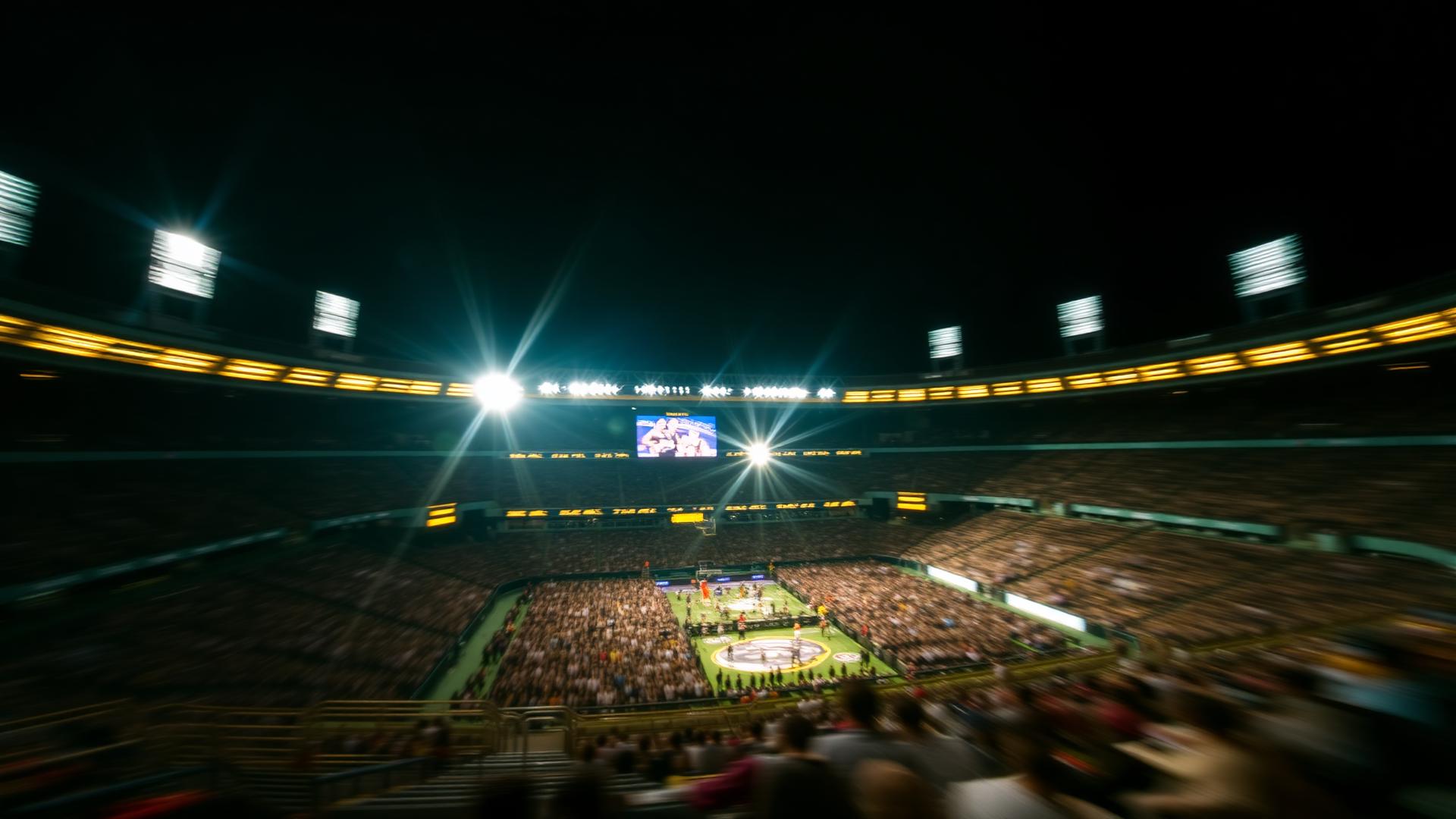
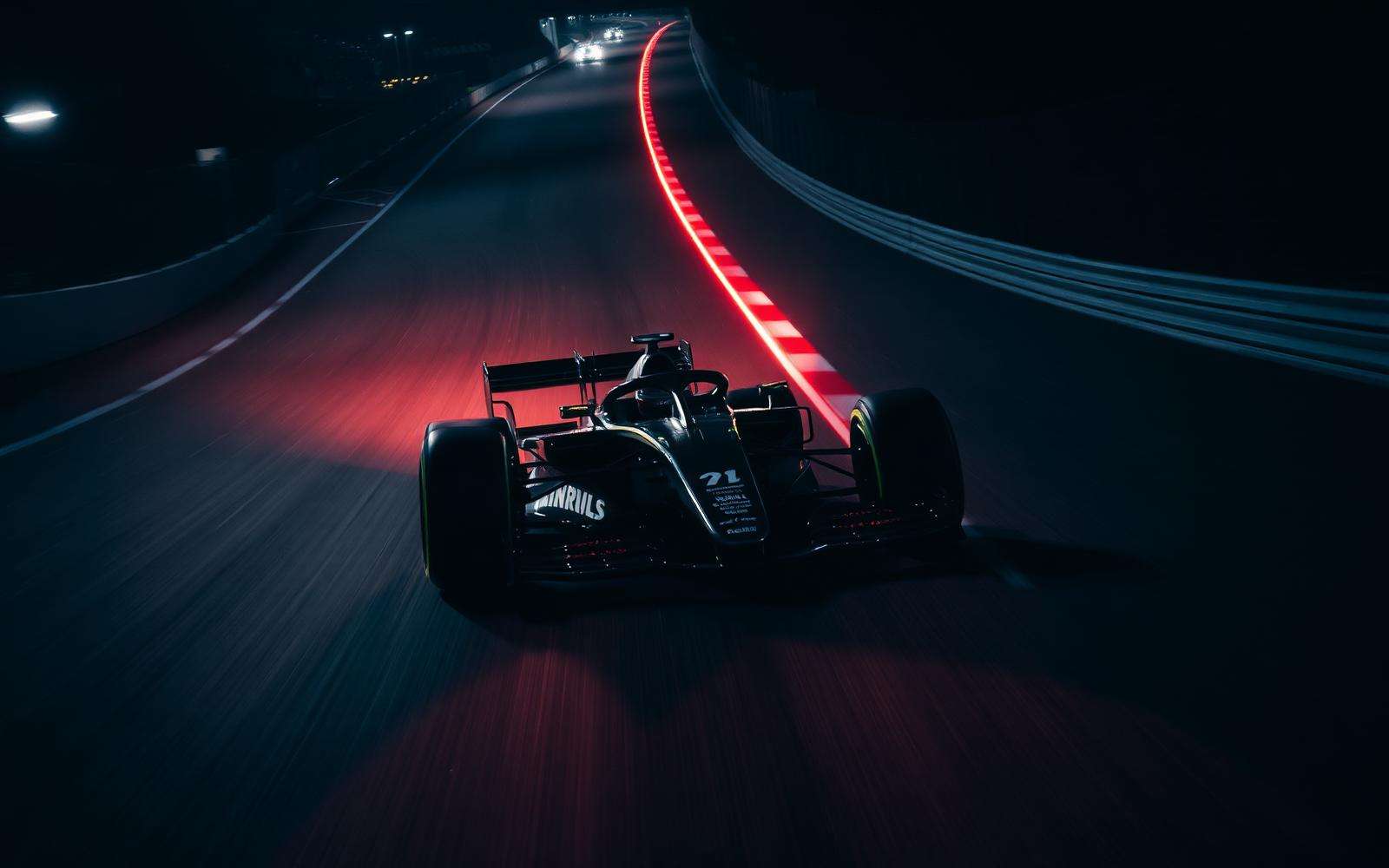
What looks different this cycle is the shape of the opportunity. Premium sport and live entertainment remain priced for demand, but the surrounding inventory — contextual digital, CTV, out-of-home — has loosened materially. Smart marketers are using the savings to extend their flighting, not to shrink it.
The internal conversation matters as much as the external one. Finance leaders respond to evidence; the IPA, Ehrenberg-Bass and Les Binet datasets all point in the same direction. Marketing teams that arrive with those numbers, framed in P&L language, keep their budgets intact.
Brand-building in pessimism is not about volume. It is about presence, conviction and craft — exactly the moment when sponsorship, sport and cultural partnership earn their highest ROI.
The brands that will define 2030 are making their decisions right now. They are choosing courage over caution, and category leadership over quarter-end relief.