Connected TV used to be a line item. In 2026 it is the line. KAI's latest network telemetry confirms 170 million CTV devices live across 180+ countries, watching 2.1 billion hours of content every month — numbers that put the category on par with the largest social platforms by sheer attention volume.
The shift matters because CTV combines the precision of digital with the emotional ceiling of broadcast. Households convert, brands build, and measurement closes the loop in ways linear never could. For categories from automotive to fashion, the question is no longer if CTV belongs in the mix, but how dominant a role it should play.
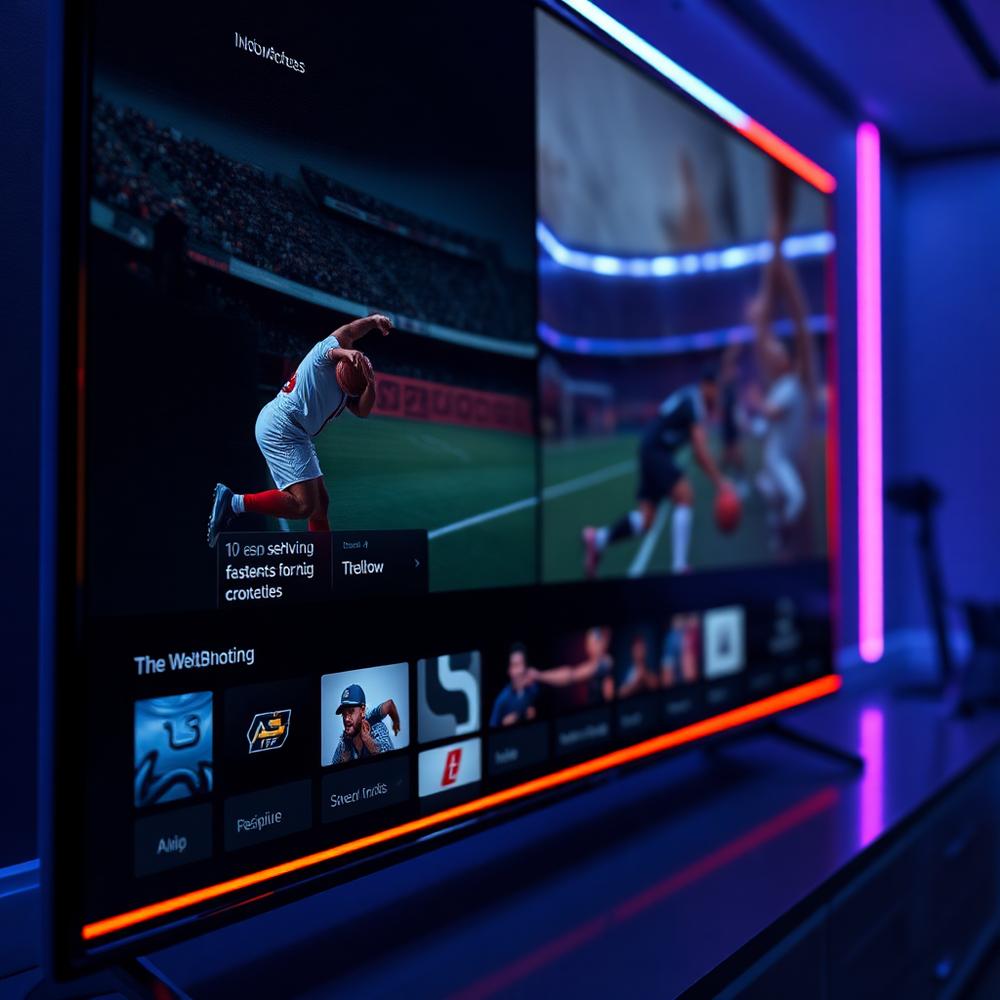
VIDAA OS has emerged as a pivotal partner in that conversation. As the operating system powering a growing share of Hisense and partner devices, it offers brands a direct seat at the home-screen layer — the most valuable square meter of digital real estate in any household.
The data points are striking. Average daily session length on VIDAA-powered devices has climbed to 3 hours 42 minutes. Sports verticals account for 28% of premium engagement; FAST channels grew 61% year on year; and home-screen sponsorship recall is averaging 71%, well above any in-stream benchmark.
What this reorders, in practice, is the planning sequence. Brands are starting their video brief on the home screen and working outward into apps, ad-supported tiers and second-screen extensions — the inverse of the YouTube-first decade that preceded it.
The opportunity for marketers is twofold: unlock incremental reach beyond walled gardens, and design creative for the lean-back moment. The brands that win on CTV in 2026 will be the ones that stop adapting 6-second pre-rolls and start producing for the room.
KAI's CTV practice will publish the full 2026 attention benchmarks, by market and category, alongside the Cannes program in June.